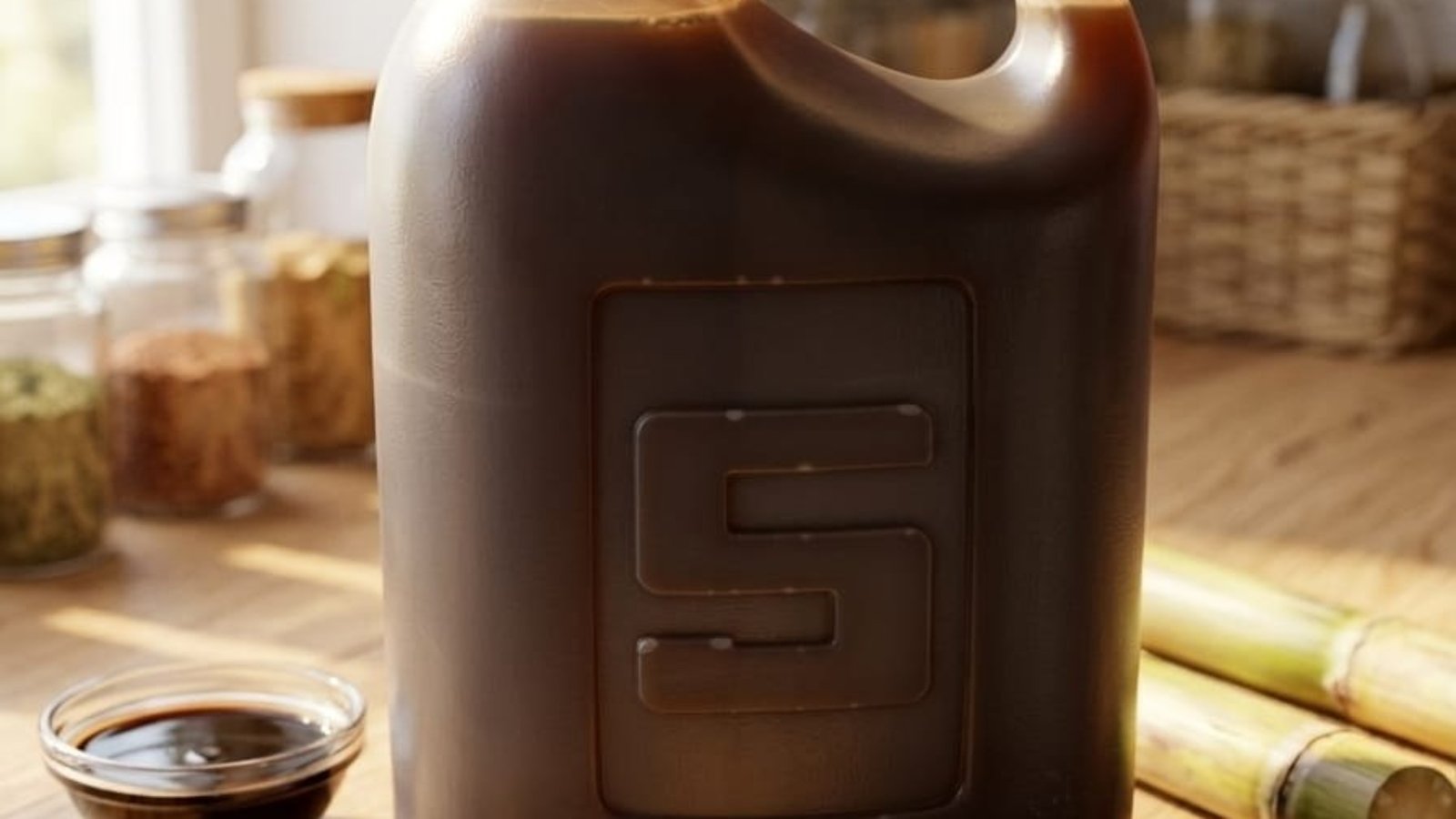
Honey has been valued for centuries as both food and natural remedy. In Nigerian homes, pure natural honey is a kitchen staple — used in tea, for children’s coughs, in skincare, and as a healthier sweetener. Unfortunately, the market is also full of adulterated or fake honey mixed with sugar syrups, which offer little of the real benefits.
This guide explains the genuine benefits of pure natural honey, how to identify authentic honey, everyday uses, and which sizes make the most sense for different households.
What Makes Honey “Pure” and Why It Matters
Pure honey is honey that contains only the natural product made by bees from flower nectar—with no added sugar, glucose syrup, water, or other fillers. High-quality pure honey retains more of its natural enzymes, antioxidants, and flavor compared to heavily processed or adulterated versions.
While labels like “pure” or “natural” are commonly used, the real difference comes from sourcing and minimal processing. Buying from a trusted seller reduces the risk of getting diluted or fake products that are common in open markets.
Key Benefits of Pure Natural Honey
Here are some of the most practical benefits supported by traditional use and research:
- Natural energy source—Honey provides quick, natural sugars that the body can use easily. It is a better option than refined sugar for many people.
- Soothes coughs and sore throats—A spoonful of pure honey (especially in warm water or tea) is a popular home remedy for dry coughs and throat irritation.
- Supports general wellness—It contains small amounts of antioxidants, enzymes, and minerals that contribute to overall health when consumed regularly.
- Gentle on digestion—Many people find pure honey easier on the stomach than refined sugar.
- Skincare and wound care—Honey has natural antibacterial properties and is traditionally used in face masks or on minor wounds (always use clean, pure honey).
- Versatile in the kitchen—It works well in tea, porridge, yogurt, baking, and as a drizzle over fruits or snacks.
Important note: Honey should never be given to babies under 1 year old because of the risk of infant botulism.
How to Spot Fake or Adulterated Honey in Nigeria
Fake honey is a real problem. Here are practical ways to check:
- Read the label carefully—genuine pure honey should list only “honey” as the ingredient. Avoid products that mention “sugar”, “glucose syrup”, or “honey blend”.
- Water test — Put a spoonful of honey in a glass of water. Pure honey usually sinks and dissolves slowly. Fake honey mixed with sugar often dissolves quickly.
- Thumb test — Place a small drop on your thumb. Pure honey tends to stay in place longer, while adulterated honey may spread or feel watery.
- Taste and texture — Real honey has a rich, complex taste and a thick, smooth consistency. Fake versions often taste overly sweet or flat and may crystallize differently.
- Buy from trusted sources — The safest approach is to purchase from reputable sellers who consistently supply pure honey.
At Ajebo Shop, we focus on offering original natural honey that customers can trust for family use.
Best Everyday Uses of Pure Honey
- Stir into hot tea, lemon water, or herbal drinks
- Give to children (over 1 year) for mild cough relief
- Use as a natural sweetener in oatmeal, yogurt, or smoothies
- Apply as a simple face mask mixed with a bit of water or yogurt
- Drizzle over fruits, pancakes, or roasted vegetables
- Use in homemade cough mixtures or warm milk at night
Which Size of Pure Honey Should You Buy?
Choosing the right size depends on how frequently your household uses honey:
- Small bottles (25cl or 35cl) — Ideal for trying pure honey for the first time or for light personal use. → 25cl Pure Honey Bottle | 35cl Pure Honey Bottle
- Medium sizes (500ml or 75cl) — Good for regular users or small families. → 500ml Pure Honey | 75cl Pure Honey Bottle
- 1 Litre — The most popular choice for many Nigerian homes. Convenient and good value. → 1L Pure Honey
- Bulk options (5L or 20L) — Best for large families, frequent users, or those who want better long-term value. → 5L Pure Honey | 20L Pure Honey
Buying larger sizes often works out cheaper per litre and reduces the need for frequent reordering.
How to Store Pure Honey Properly
- Keep it in a cool, dry place away from direct sunlight.
- Always use a clean, dry spoon to avoid introducing moisture or contaminants.
- Honey can last a very long time when stored correctly. If it crystallizes (which is natural), gently warm the jar in warm water to return it to liquid form. Do not boil it.
Final Thoughts
Pure natural honey is more than just a sweetener—it is a versatile, traditional product that many Nigerian families rely on for daily wellness and cooking. The key is making sure you are getting the real thing rather than diluted or fake alternatives.
If you are looking for reliable pure honey in convenient sizes, explore the full range available at Ajebo Shop:
Shop Pure Natural Honey → Ajebo Shop Groceries / Honey Collection
Whether you need a small bottle for personal use or a bulk size for the whole family, you can find options that suit your needs. Choose pure honey and enjoy the natural taste and benefits with confidence.