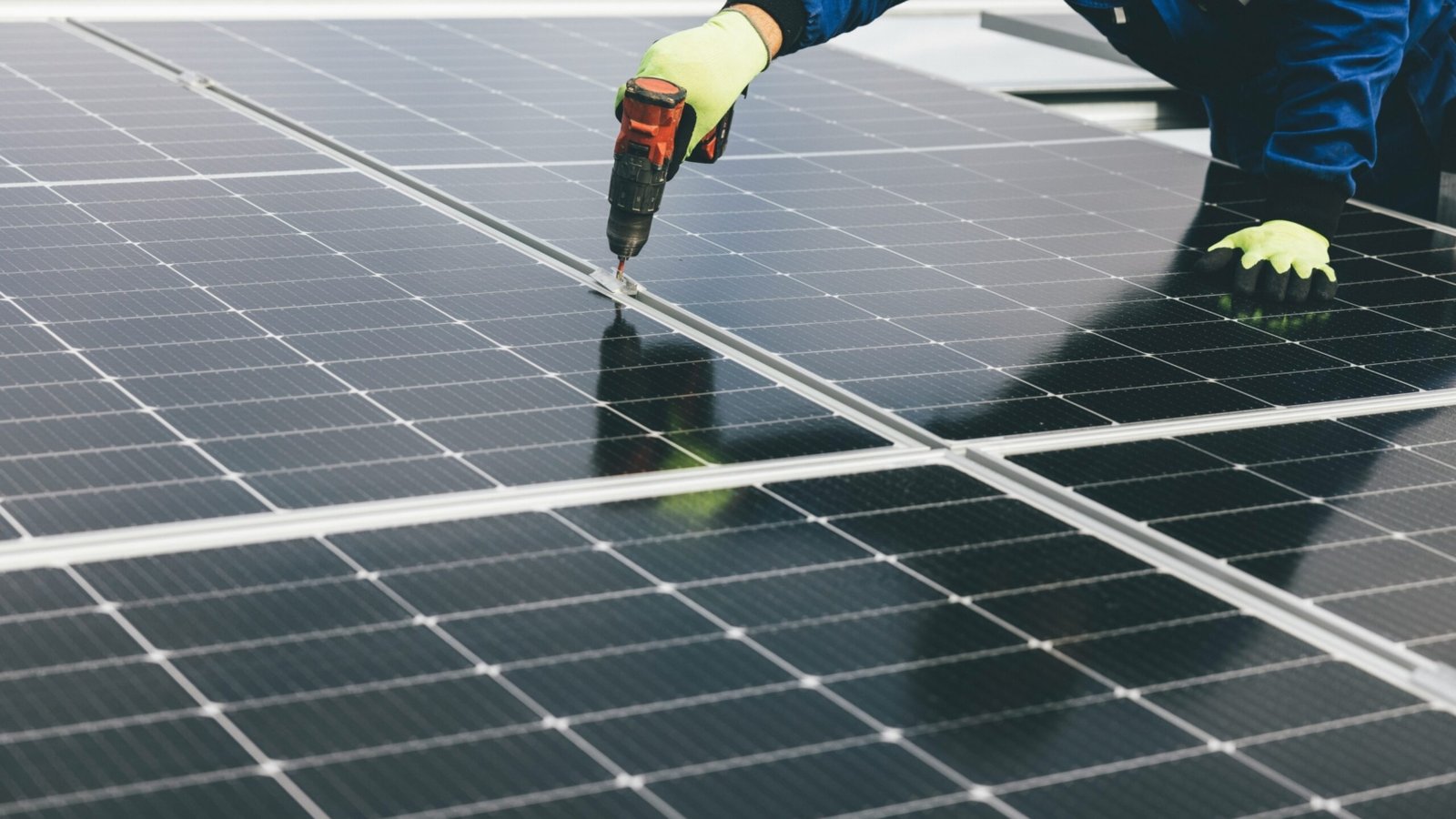
Power outages remain one of the biggest daily challenges for Nigerian households. Between unreliable grid supply and rising fuel costs for generators, more families are turning to solar energy. At the heart of every reliable solar system is the solar inverter which is the device that converts DC power from solar panels or batteries into usable AC electricity for your home.
Choosing the wrong inverter can lead to system failure, wasted money, or insufficient power. This guide breaks down everything you need to know so you can select the right solar inverter for your needs in 2026.
What Does a Solar Inverter Actually Do?
Solar panels and batteries produce direct current (DC) electricity. Most home appliances (TVs, fridges, fans, lights, laptops) run on alternating current (AC). The inverter’s job is to convert DC to clean AC power safely and efficiently.
Modern hybrid inverters go further. They can:
- Charge batteries from solar panels or the grid/generator
- Automatically switch between solar, battery, and grid power
- Manage energy flow intelligently
- Provide pure sine wave output that is safe for sensitive electronics
Types of Solar Inverters Explained Simply
1. Off-Grid Inverters These work completely independently of the national grid. They rely on solar panels and batteries. Ideal for remote locations or homes that want full independence.
2. Hybrid Inverters (Most Popular in Nigeria) Hybrid inverters can work with or without the grid. They charge batteries from solar or NEPA/generator and switch seamlessly during outages. This is the best choice for most Nigerian homes.
3. Grid-Tie Inverters These feed excess solar power back into the grid. They are less common in Nigeria because of limited net-metering policies and frequent grid instability.
For the majority of buyers in 2026, a hybrid pure sine wave inverter is the smartest option.
Key Factors to Consider When Choosing a Solar Inverter
1. Inverter Capacity (kVA or kW)
This is the most important decision. Undersizing means your system will shut down under load. Oversizing wastes money.
Quick sizing guide:
- Small apartment / few lights + fans + TV: 1.5kVA – 2.5kVA
- Average 2–3 bedroom home (fridge, fans, lights, TV, decoder, charging): 3.5kVA – 5kVA
- Larger home or light business use: 6kVA – 10kVA+
Always calculate the total wattage of appliances you want to run at the same time and add 20–30% buffer.
2. Pure Sine Wave vs Modified Sine Wave
Always choose pure sine wave. Modified sine wave inverters can damage or shorten the life of sensitive electronics (fridges, laptops, medical devices, modern TVs).
3. Battery Voltage Compatibility
Common systems in Nigeria:
- 12V – small systems
- 24V – mid-size systems
- 48V – larger, more efficient systems
Match your inverter voltage with your battery bank.
4. Built-in MPPT Charge Controller
Good hybrid inverters come with built-in MPPT (Maximum Power Point Tracking). This maximizes the power harvested from your solar panels, especially useful under partial cloud cover common in many parts of Nigeria.
5. Brand Reliability and Warranty
Stick to established brands with local support. Popular and trusted options available at Ajebo Shop include Felicity, Cola Solar, and Haisic.
Recommended Solar Inverters Available at Ajebo Shop
Here are practical options based on different budgets and needs:
- For small homes or starters: Cola Solar 1.2kVA or 2.5kVA Hybrid Inverter
- Mid-range reliable choice: Haisic 4.2kVA or 6.2kVA Hybrid Inverters
- Versatile and scalable: Felicity Inverters (1.5 kVA – 50 kVA range)
- All-in-one convenience: Haisic All-in-One Solar Generators (inverter + battery combined)
Pairing your inverter with quality lithium batteries (such as Felicity or Haisic lithium batteries) will give you longer backup time and better lifespan compared to traditional tubular batteries.
Common Mistakes to Avoid
- Buying based only on price (cheap inverters often fail within months).
- Ignoring total load calculation.
- Mixing incompatible battery voltages.
- Skipping professional installation (poor wiring is a leading cause of system failure and fire risk).
- Not planning for future expansion.
Installation and Maintenance Tips
- Install the inverter in a cool, dry, well-ventilated place.
- Use proper cable sizes to avoid voltage drop and overheating.
- Perform regular checks on connections and battery health.
- Keep the area around the inverter free from dust.
Most hybrid inverters from reputable brands require minimal maintenance when installed correctly.
Final Thoughts: Start Your Solar Journey the Right Way
Choosing the right solar inverter is the foundation of a reliable home power system. Focus on pure sine wave hybrid models, correct sizing, and trusted brands. When matched with good solar panels and batteries, a quality inverter can give you years of stable electricity and significant savings on generator fuel.
Ready to take the next step? Browse the full range of solar inverters, lithium batteries, and complete solar solutions at Ajebo Shop Solar Products.
If you need help calculating the right size for your home, contact the Ajebo Shop team, we’re happy to guide you toward the best system for your budget and power needs.
Say goodbye to constant blackouts and hello to reliable, clean energy.